
How to Sell Your Fine Wine Collection In The UK

Dust off your decanter and uncork your dreams, oenophiles! This guide is your key to transforming your cherished wine collection from cobwebbed trophies to clinking champagne flutes. We’ll navigate the winding roads of valuation, authentication, and buyer tango-ing, ensuring your grapes of wrath metamorphose into golden grapes of wealth. So ditch the panic attacks and misplaced monocle, dear Bacchus-blessed friend, and let’s turn those dusty bottles into a vintage victory lap!
So, you’ve amassed a cellar more impressive than Batman’s Batcave, stocked with vintages older than your grandparents’ honeymoon photos. But alas, a new chapter beckons, and those bottles need to become more than just dust-gathering trophies. Fear not, o noble oenophile, for this guide is your key to unlocking the golden gates of how to sell your fine wine collection.
Covering the Basics of Starting the Selling Process
First things first, ditch the panic attacks and misplaced monocle. Selling your wine collection shouldn’t be a stressful tango with disappointment. Think of it as a victory lap, a graduation ceremony where you finally get to cash in on years of discerning nose-twitching and palate-pampering.
Key Channels for Selling Wine in the UK
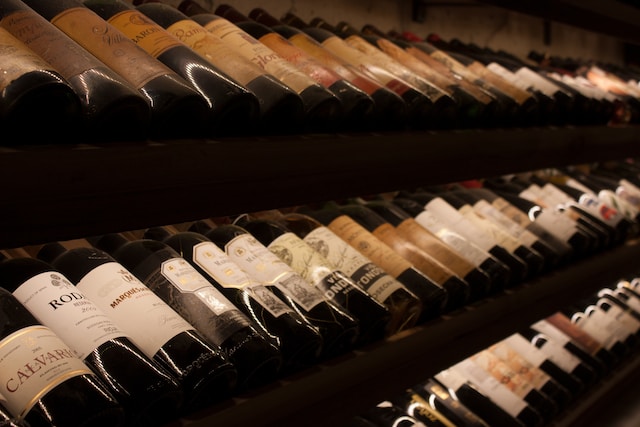
Across the verdant vineyards and bustling cellars of the UK wine scene, lies a tapestry of avenues for sellers to reach their thirsty audience. Let’s uncork the distinct flavors of each key channel, each offering a unique bouquet of advantages:
1. Brokers: Your Savvy Traders
Imagine seasoned navigators of the wine market, their palates honed by years of experience, their minds brimming with vintage wisdom. These are the wine brokers, your guides through the intricate tango of supply and demand. Their expertise goes beyond mere listing. They appraise your treasures with discerning eyes, whispering secrets of hidden value and market trends. They wield their network like a finely-aged clarets, weaving connections to collectors and merchants eager to snap up your gems. And just like a sommelier recommending the perfect pairing, they advise on timing, suggesting when to release your wine into the market for maximum appreciation, ensuring your masterpiece receives the accolades it deserves.
2. Merchants: The Efficient Gatekeepers of Wine Trade
Think of wine merchants as established sommeliers of their own bustling cellars. They possess a discerning palate for quality, built upon years of serving a loyal clientele of enthusiasts and casual sippers alike. Their doors swing open to welcome your wine, offering swift transactions and direct access to their network. Some specialize in rare vintages, catering to the discerning collectors, while others stock a more eclectic menu, attracting everyday wine lovers. Regardless of their focus, a well-respected merchant promises quick returns and the peace of mind knowing your wine is placed in capable hands.
3. Fellow Wine Collectors: A Toast to Shared Passions
Imagine a gathering of connoisseurs, their eyes sparkling with the shared language of grape varietals and terroir. This is the realm of fellow wine collectors, a network woven from passion and appreciation. Selling amongst this community feels less like a transaction and more like a joyful exchange between comrades on the same vintage journey. Recommendations flow freely, fueled by mutual understanding and trust. Prices, often negotiated with a nod and a knowing smile, acknowledge the intrinsic value beyond mere market statistics. It’s a dance of shared excitement, fueled by the thrill of acquiring a sought-after bottle and the satisfaction of knowing it will land in the hands of someone who truly understands its story.
4. Online Platforms: A Digital Feast for Every Palate
The internet has thrown open the cellar doors, birthing a vibrant online marketplace for wine. Auction sites buzz with the thrill of bidding wars, while dedicated platforms offer curated selections for every taste and budget. From sleek, minimalist interfaces to sprawling digital bazaars, these platforms provide unparalleled reach, connecting your bottle with global audiences in just a few clicks. But don’t be fooled by the ease. Each platform carries its own flavour, attracting specific demographics and charging varied fees. Understanding the nuances is key, just like pairing the right wine with the right dish. Whether you seek a quick sale to casual enthusiasts or a bidding frenzy among high-end collectors, the online world holds a virtual vineyard of possibilities.
5. Auction Houses
The gilded gavel raps against the mahogany podium, sending a hush rippling through the velvet-lined auction room. Sunlight streams through stained-glass windows, casting a warm glow on rows of expectant faces. At the center of it all, a sommelier in crisp evening wear cradles a bottle, its label worn with the whisper of vintages past. This isn’t just any bottle; it’s a whispered legend, a taste of history captured in liquid gold.
The sommelier’s voice, smooth as aged Merlot, weaves a tapestry of sun-drenched vineyards and moonlit harvests. Each swirl of the bottle, each clink of crystal against decanter, builds anticipation. Then, the bidding begins. Numbers dance on the digital screen, punctuated by murmurs of desire and the sharp intake of breath that follows a daring raise. The tension crackles, electric and exhilarating.
How to Determine the Market Value Of Your Wine

Ah, the alluring mystery of your personal wine vault! A symphony of vintages, each bottle a whispered promise of future sips and joyous clinking glasses. But before you uncork that celebratory champagne, a question arises: just how much is this liquid masterpiece worth? Don’t be tempted by the siren song of a simple Google search, dear oenophile, for the value of your wine is a secret far more intricate than a car’s price tag.
Think of it less like a market stall hawking wares and more like a detective story, a thrilling quest to unearth the true worth of your hidden treasure. Enter Wine Searcher, a digital bazaar where your bottle’s whispers find echoes in countless listings. From humble merchants to grand auction houses, each vendor plays a different tune, singing of prices that dance upon a spectrum. The spread, a chasm between the highest and lowest notes, reflects the whispers of supply and demand, the fickle melody of a market forever in motion.
But beware, dear friend, for some vendors sing false harmonies. Like phantom stock in a hidden vault, their listings may lure you astray. Treat the average price on Wine Searcher as a compass, a rough guidepost in the murky waters of valuation. It whispers a truth, but not the whole story.
Remember, the worth of your wine is a symphony composed of many layers. The in-bond slumber – is your treasure tucked away in a secure HMRC haven, or a dusty corner of your neighbor’s garage? Its condition, a whispered lullaby of pristine labels and unblemished caps, tells a tale of careful storage or neglected slumber. And even within these notes, nuances abound. The petrusion of the cork, a silent testament to aging, and the wine’s level, a subtle clue to its provenance, all play their part in the valuation waltz.
What Sells
Not every vintage, not every name, holds the power to ignite immediate frenzy. Some Houses, though whispered in hushed reverence, slumber in relative obscurity, their potential value awaiting the perfect pairing with a discerning collector. Others, like the darlings of Liv-Ex’s annual dance (a veritable who’s who of the most traded wines), find themselves in constant orbit, their prices pirouetting to the ever-shifting demands of the season. Chinese New Year, a time of opulent feasts and celebratory clinking of glasses, may see specific brands and vintages waltz into the spotlight, their value briefly amplified by the rhythm of tradition.
But remember, dear friend, true worth is less a google-quoted number and more a whispered agreement between seller and buyer. A mere listing, a cold statistic on a screen, holds no magic. Your case, bathed in the dim glow of its bonded haven, awaits its moment, its potential a melody waiting to be sung to the right ears. If it hails from a lesser-known House, a hidden gem nestled amongst giants, its journey may be longer, a slow tango to the rhythm of patient discovery.
Fear not, for clues abound to guide your waltz with the market. Websites like Liv-Ex, with their annual dances of the most traded wines, offer a glimpse into the favorites, the ones who consistently hold the attention of collectors. But these are mere stars in a vast constellation, and your own treasure may well be a rising supernova, waiting to captivate the right gaze.
To have some more specific data, check out the most traded wines on Liv-Ex 2023 here.
Fake Wine

As much as it hasn’t been spoken about too often, there are tons of fake bottles floating around, already in the system and in bonded warehouses as genuine.
As much as the wine industry doesn’t want to bring attention to a sad fact, that is that there are tons of fake wine bottles floating around the market. Not just a few – but LOTS!! People like Rudy Kurniawan showed that they had been trading in fake wines for years. Stories like this make all investors worried. It makes us question our own stock as well as the reliability of stock that we want to purchase.
Everyone knows there are cases of wine out there that are fakes but no one wants to talk about it. And that’s ok. But it does mean you should be aware of this.
So before selling your stock, have your own condition reports done for your own wine portfolio. Get piece of mind and do your own condition checks and make sure your stock is authentic and in good condition. This is important not just for double checking what you have is authentic, but I’ve found that sometimes stock can get damaged during the transfer process. And sometimes the receiving bonded warehouse will try and claim that your stock was always like this. Sending them your latest condition report shows them exactly what the stock looked like before it left.
All that said, if you do live in the UK and Europe the chances of you encountering fakes are very slim. Most stories of fake wines are currently stemming out of America and China. Whilst the Rudy K story was a bit one in the wine world, and recently shown in the Netflix Documentary Sour Grapes – there are so many stories about fake Lafite Rothschilds being peddled in mainland China and Hong Kong.
Storage Matters
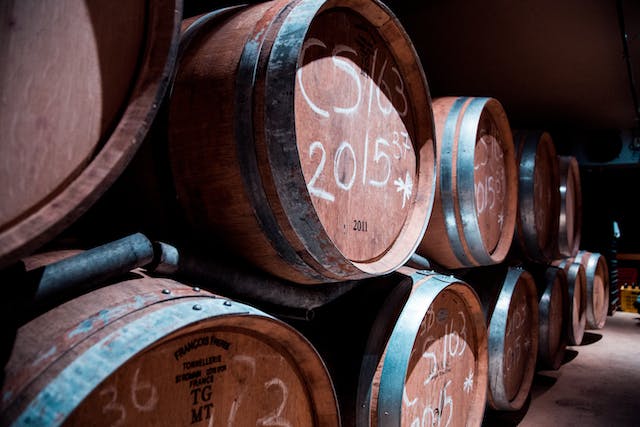
Ah, the delicate waltz of wine storage! It’s a tango between convenience and control, cost and climate, a decision as nuanced as the swirl in your favorite Syrah. Let’s dive into the three main avenues, each a whispered promise of secure slumber for your liquid jewels:
1. Your Home: A Personal Cellar of Dreams (and DIY)
Imagine your own sanctuary, a dimly lit haven cradling your precious bottles. Wine racks stand at attention, displaying your collection like prized trophies. Under the stairs, a nook transformed into a miniature cellar, its cool air kissed by the earthy scent of cork and oak. This is the allure of home storage, a personal touch that whispers of control and accessibility. You can admire your vintages daily, trace their evolution with each passing swirl, and bask in the whispered memories they hold. But beware, dear oenophile, for this path demands dedication. Temperature fluctuations whisper threats, humidity lurks like an unseen foe, and sunlight’s cruel rays dance on the horizon, ready to steal your wine’s precious youth. And in some lands, like the UK, breaking free from bonded slumber can trigger the tax dragon’s fiery breath.
2. Bonded Warehouses: Fortresses of Liquid Gold
Now picture a labyrinthine fortress, its vaults echoing with the hushed whispers of slumbering vintages. This is the realm of bonded warehouses, bastions of professional care where your bottles rest like knights in shining armor. Temperature and humidity are controlled with the precision of a Swiss watch, sunlight banished to the outer realms. You, the sovereign of your liquid riches, hold the key to unlock your treasures (and trade them through whomever your heart desires!). Insurance stands guard, a loyal knight protecting your investment. But remember, dear friend, freedom comes at a cost. These fortresses charge rent, demanding a toll for their meticulous guardianship.
3. Sub Accounts: Trusting Your Merchant / Broker
Envision a cozy corner within a renowned merchant’s domain, a space where your bottles mingle with kindred spirits. This is the allure of sub accounts, a convenient haven crafted by the experts you trust. They handle the nitty-gritty, the temperature battles, the humidity wars, freeing you to focus on the thrill of the grape. Trading becomes a whispered exchange, a matter of shifting your treasures from one shelf to another within the same esteemed cellar. But a word of caution, dear adventurer. This trust demands vigilance. Be sure your sommelier is reputable, their reputation as unblemished as your finest Bordeaux. For should their doors shutter, your vintages may become embroiled in a bureaucratic tango, their release delayed by the slow waltz of insolvency chaps.
Why Sell
As stupid as this sounds, you sometimes have to ask yourself is it worth selling. If you have overpaid for stock that simply isn’t moving up in price, you have to ask yourself whether it’s worth taking the loss and either reinvesting in better stock or simply getting out the market altogether. Sadly, and now with the closing of soooo many wine companies, there are an abundance of clients that are holding onto stock, paying for storage and simply hoping and praying that their wine will go up in price.
Sadly the market doesn’t work like that. It’s not like crypto currencies. The wine market, even when it goes up in prices does so gradually. The days of 2008 are long gone and the shooting prices that we all witnessed were later matched with years of falling prices. Literally years.
So if you are someone that has overpaid for stock that really isn’t top tier – you may need to accept the fact that taking the loss now is better than taking it later.
If however, you are someone that’s had a wine portfolio for a while – is massively up in profit and desperately need to move and shake – then by all means sell. However, pick which of your cases you want to sell. Some of your stock may still be on the rise and it may be a case where you hold some of those gems back in a bid to sell them nearer the end of their drinking window or when there just isn’t heaps of that stock about.
Conclusion
As you gaze upon your prized collection, nestled in their dimly lit haven, the whispers of potential begin to swirl. Selling your fine wine is not just a transaction, it’s an orchestration, a delicate dance between market forces and connoisseur’s desires. But fear not, dear vinophile, for within this intricate labyrinth lies the intoxicating melody of success.
Seek the Sage’s Counsel: The path ahead may be shrouded in uncertainty, but fret not! Experienced brokers, auction houses, and merchants act as your seasoned guides, their expertise illuminating the hidden value within your bottles. Their discerning palates have tasted countless vintages, their knowledge a vast library of market trends and collector preferences. Trust their guidance, for it is the key to unlocking the true potential of your liquid treasures.
Embrace Your Freedom: Resist the siren song of convenience offered by sub-accounts. Remember, your wine, your rules! By ensuring your collection rests in your own name, you unlock a wider stage, attracting a broader range of potential buyers and retaining complete control over their fate. This, dear friend, is the true luxury of wine ownership, the freedom to dictate the symphony of their next adventure.
Patience is a Virtue: While the urge for a quick sale may flicker like a candle flame, remember, the finest vintages require time to reach their peak. The market for fine wines, like a perfectly aged Bordeaux, rewards those who wait. Research, strategise, and trust your instincts. The right buyer, like the perfect food pairing, will emerge, and when that final clink of glasses resonates, it will be a symphony of satisfaction, a testament to your discerning journey.
Fill in the Form: To get the ball rolling, consider filling out a wine valuation form provided by your chosen expert. This document, your roadmap to success, will gather vital details about your collection, paving the way for a realistic appraisal and a targeted approach to finding the perfect buyer.
So, raise a glass, dear oenophile, to the captivating journey ahead. With knowledge as your compass, patience as your guide, and expert counsel at your side, you will navigate the labyrinth of the fine wine market with grace and finesse. And when your collection finally embarks on its new adventure, may the clinking of glasses be a joyous serenade to your success.
Bonus Tip: Don’t let the nostalgia get the better of you! Selling your collection doesn’t mean severing ties with wine. Join tasting groups, explore local vineyards, and keep your palate dancing with new experiences. After all, the journey of an oenophile is never truly over, just beautifully paused for a celebratory champagne shower.